



ANGEL ASSET MANAGEMENT
What Is a Variable Annuity? Understanding Costs and Risks

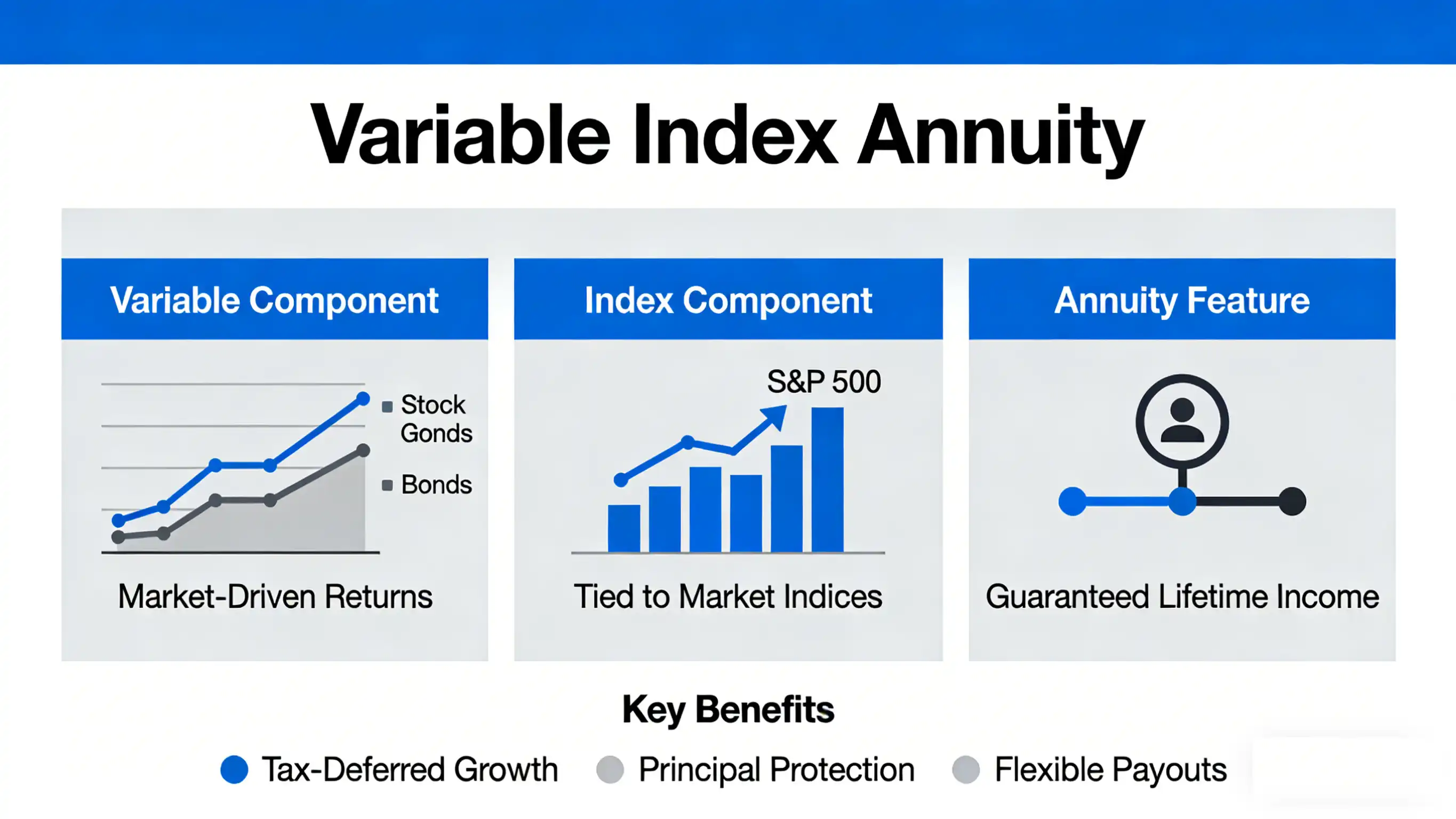
A variable annuity combines investment options with an insurance contract. It may offer tax-deferred growth and future retirement income, but account value rises or falls with the chosen investments and principal can be lost.
1. How Does It Work?
During accumulation, funds are allocated to subaccounts. Later, income may come from withdrawals, an income rider or annuitization. Investment performance, withdrawals and charges all affect contract value.
2. What Are Subaccounts?
Subaccounts may invest in stocks, bonds, money-market or mixed assets. They resemble mutual funds but are part of an insurance contract with different costs and restrictions. Account value falls when investments decline.
3. What Fees May Apply?
Possible costs include mortality and expense risk charges, administrative fees, underlying investment expenses, rider fees, surrender charges, transfer fees and enhanced death benefit fees. Ask for total annual costs in both percentage and dollars.
4. How Do Surrender Charges Affect Liquidity?
Canceling or withdrawing above the free amount during a surrender period may incur charges. Keep emergency funds, medical expenses, home-purchase funds and other short-term needs outside the annuity.
5. Limits of Tax Deferral
Earnings in a nonqualified variable annuity are generally tax deferred, but taxable distributions are normally ordinary income rather than capital gains. Taxable distributions before age 59½ may incur an additional tax. An annuity in an IRA adds no second layer of tax deferral.
6. What Is Annuitization?
Annuitization converts contract value into payments for a period or life, such as life only, joint and survivor, period certain or refund options. The decision is generally difficult to reverse and can end access to a lump sum.
7. How Do Living-Benefit Riders Work?
Some contracts offer minimum withdrawal or income benefits for an additional fee. The rider's income base is generally a calculation value, not the account value or an amount available as a lump sum. Market losses and withdrawals can still reduce the actual account value.
8. A Death Benefit Is Not Life Insurance
Basic or enhanced death benefits may be available during accumulation. Withdrawals can reduce benefits and enhanced provisions may cost extra. Beneficiaries may owe income tax on annuity earnings, so do not equate this benefit with a life insurance death claim.
9. Consider a 1035 Exchange Carefully
A qualifying 1035 exchange may preserve tax deferral, but the old contract may charge surrender fees and a new surrender period generally begins. Compare lost benefits, new fees, investment restrictions and compensation before exchanging.
10. Who Might Consider It?
It may suit someone with a long retirement horizon who can tolerate market volatility, needs particular insurance or income benefits and understands all costs. Compare carefully if you need near-term funds, prefer simple low-cost investments, cannot tolerate losses or already have sufficient tax-deferred options.
Read the prospectus and review investment risks, all charges, surrender periods, riders, death benefits and advisor compensation.
This is general education, not a securities recommendation or legal, tax, investment or individual insurance advice. Variable annuities can lose value. The contract, prospectus and disclosures control.
PUT YOUR KNOWLEDGE INTO PRACTICE
Your next step
Explore choices in light of your time horizon, liquidity and income goals.
Explore annuity choices & access to funds →