



ANGEL ASSET MANAGEMENT
What Is Stand-Alone Long-Term Care Insurance?
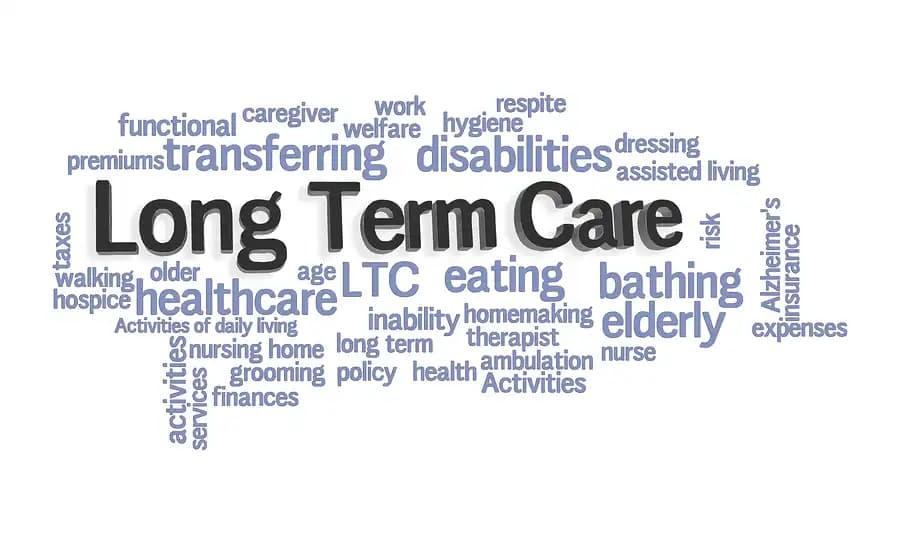
Stand-alone long-term care (LTC) insurance is designed to help pay for care needed because of chronic illness, declining physical ability or cognitive impairment. It is not Medicare or general health insurance.
1. What Is Long-Term Care?
Care may help with bathing, dressing, toileting, transferring, eating and continence, known as activities of daily living (ADLs), or provide supervision for cognitive impairment. Settings can include home, adult day care, assisted living or a nursing home.
2. When Do Benefits Begin?
A tax-qualified policy generally requires an expected inability for at least 90 days to perform at least two of six ADLs without substantial assistance, or severe cognitive impairment requiring substantial supervision. The policy definitions and insurer's assessment control.
3. What Is an Elimination Period?
It resembles a deductible measured in days. After a benefit trigger is met, there may be a 30-, 60-, 90-day or other contractual waiting period before payments begin. Calendar days and service days can be counted differently.
4. How Much Can a Policy Pay?
Designs may include daily or monthly limits, a total benefit pool, a benefit period of two to six years or longer, and reimbursement or cash indemnity. Reimbursement pays eligible expenses; cash indemnity may pay a contractual amount and can offer more flexibility.
5. Why Consider Inflation Protection?
Care costs can rise significantly over time. Simple or compound inflation options increase future benefits but also raise premiums. Compare today's benefit with the potential pool at ages 70 and 80.

6. Can Premiums Rise?
Guaranteed renewable generally means the insurer cannot cancel your policy individually while premiums are paid. It does not mean premiums can never rise: with regulatory approval, an insurer may adjust rates for a class of policies.
7. Underwriting
Applications generally review health history, medication, cognition, functional ability and existing care needs. Older age or health changes can raise premiums or result in denial. Provide complete and accurate information.
8. Common Restrictions
Limits may apply to expenses during the elimination period, care that does not meet the trigger, unapproved providers, family or overseas care, certain pre-existing conditions and contractual exclusions. Do not assume all home care is covered.
9. Medicare, Medicaid and LTC Insurance
Medicare generally does not pay for long-term custodial care that only assists with daily activities; qualifying short-term skilled care is different. Medicaid may cover some long-term care for people who satisfy state income, asset and other eligibility rules.
10. Who Might Consider It?
It may suit someone concerned about future care costs who wants to protect a spouse and assets, can sustain premiums and wants stand-alone LTC leverage. Be cautious if premiums would affect basic living costs or long-term affordability.
Compare triggers, elimination periods, monthly amounts, total pool, inflation protection, home care, premium increase history and claims procedures.
This is general education, not legal, tax, medical or individual insurance advice. Benefits, underwriting, rates and exclusions vary by state and policy. The issued contract controls.
PUT YOUR KNOWLEDGE INTO PRACTICE
Your next step
Discuss your next step. The consultation form will identify this article; you can edit or remove that context.
Discuss long-term care planning →