Icon
<-Back

Homeowners Insurance: Protecting Your Home and Financial Security

David Wang. Ph.D.
David Wang. Ph.D. ·
Homeowners Insurance: Protecting Your Home and Financial Security

Homeowners insurance is designed to protect one of your most valuable assets—your home—while also providing financial security against unexpected risks. From property damage to liability concerns, this coverage plays a critical role in helping homeowners safeguard their investment and maintain peace of mind.

1. What is Homeowners Insurance?

Homeowners insurance is a policy that provides financial protection for your home, personal belongings, and liability risks.

A standard policy typically includes:

  • Coverage for the structure of your home
  • Protection for personal belongings
  • Liability coverage for injuries or property damage
  • Additional living expenses if your home becomes uninhabitable

A comprehensive protection solution

Homeowners insurance combines multiple layers of protection to help reduce financial uncertainty and support long-term stability.

2. Who can benefit from homeowners insurance?

Homeowners insurance is designed for individuals who:

  • Own a house or condominium
  • Have a mortgage requirement from a lender
  • Want to protect personal belongings and assets
  • Seek financial protection from unexpected risks
  • Value long-term security and peace of mind

Eligibility and policy structure may vary based on property type, location, and risk exposure.

Home Protection Insurance

3. Key features of homeowners insurance

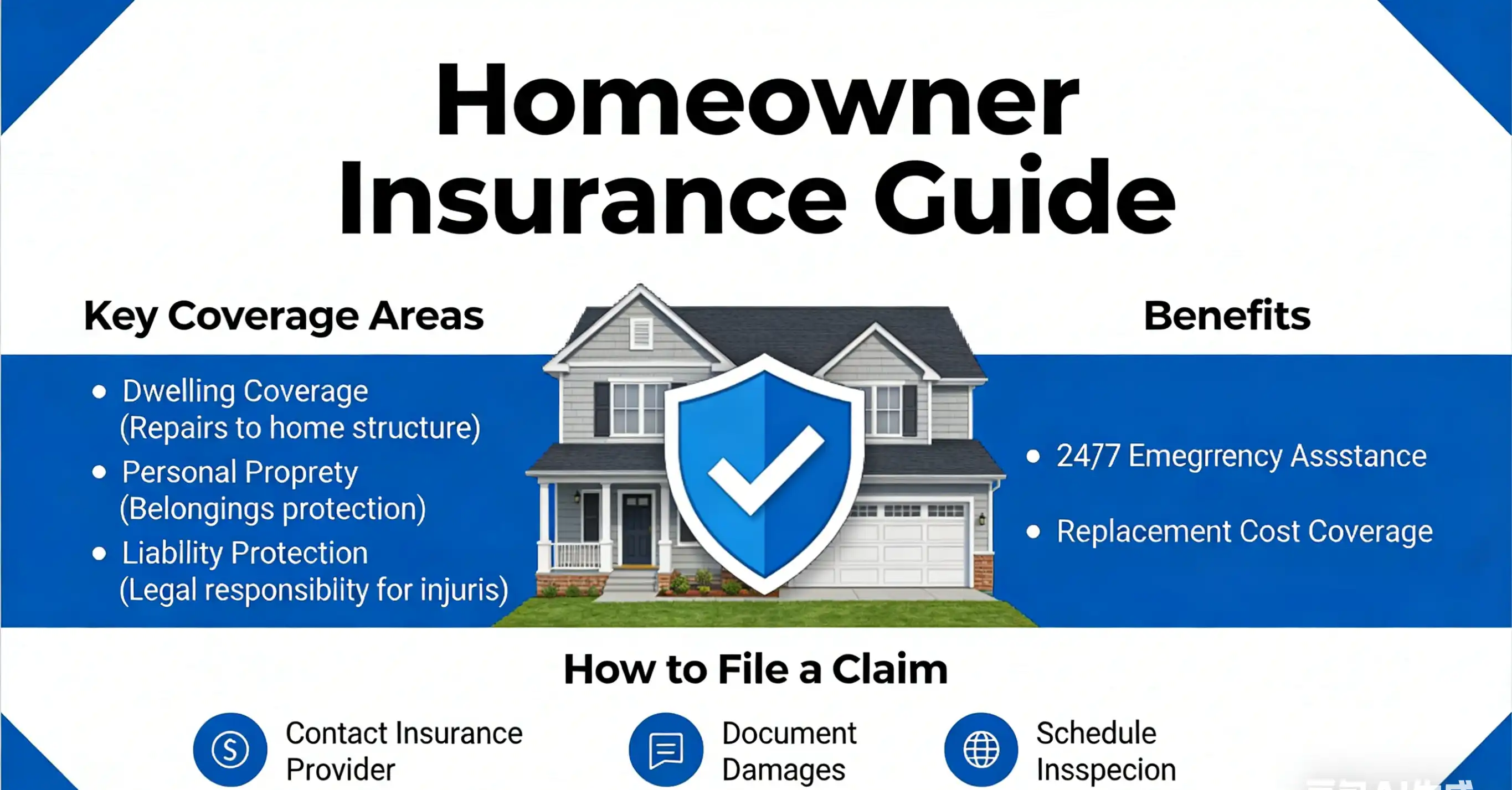
Dwelling protection

Covers the physical structure of your home, including walls, roof, and built-in systems, against covered risks.

Personal property coverage

Protects belongings such as furniture, electronics, and clothing from damage or theft.

Liability coverage

Provides protection if someone is injured on your property or if you cause damage to others.

Loss of use coverage

Helps pay for temporary living expenses if your home becomes uninhabitable due to a covered event.

4. How homeowners insurance works

When a covered event occurs:

  • You file a claim with your insurance company
  • The insurer evaluates the damage
  • Payment is issued based on policy terms and deductible

Common covered risks include fire, windstorms, theft, and certain types of water damage.

However, events such as floods and earthquakes typically require separate coverage.

To explore available options and personalized planning, please click here.

5. Choosing the right coverage

Homeowners policies vary depending on structure and protection levels, including:

  • Replacement cost vs. actual cash value coverage

  • Different deductible options

  • Additional endorsements for specific risks

Aligning with your financial goals

Selecting the right policy depends on your home value, risk tolerance, and long-term financial planning strategy.

6. Why homeowners insurance matters

Unexpected events can lead to significant financial loss. Homeowners insurance provides a safety net by covering property damage, liability risks, and temporary living expenses.

With proper coverage, homeowners can protect their assets and maintain financial stability.

7. Who should consider homeowners insurance?

Homeowners insurance is especially suitable for individuals who:

  • Own residential property
  • Have valuable personal belongings
  • Want liability protection
  • Seek long-term financial security

Protecting your home means protecting your future.

Contact us for a quote.

Learn more

Explore related topics: