


ANGEL ASSET MANAGEMENT
When Does a Business Need Commercial Auto Insurance?

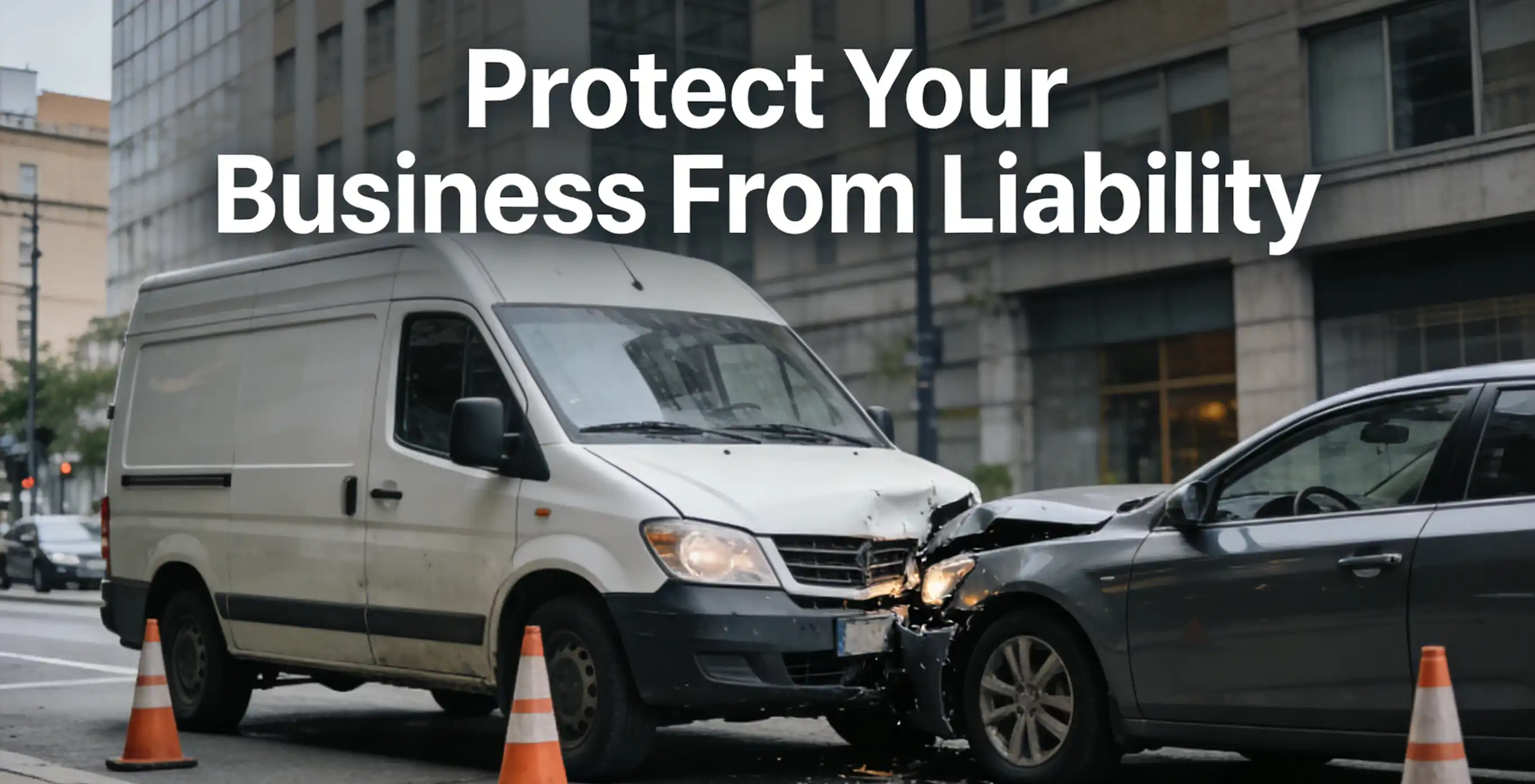
Commercial auto insurance addresses liability and vehicle damage arising from vehicles owned, hired or used for business. Personal auto policies may exclude or restrict delivery, carrying passengers and other business use.
1. Which Businesses May Need It?
Business-owned vehicles, employee deliveries, client visits, transporting tools or goods, paid passenger service, fleets and contracts requiring commercial insurance may create a need.
2. Commercial Auto Liability
For covered vehicles used in business, liability coverage may pay damages and defense costs for bodily injury or property damage to others, subject to liability findings, limits and exclusions.
3. Physical Damage
Collision may cover collision or overturning; comprehensive may cover theft, fire, hail, vandalism, flood or animal collisions. Confirm valuation and deductibles for each vehicle.
4. Other Potential Coverage
Medical payments, PIP, UM/UIM, rental reimbursement, towing, loading and unloading risks or motor truck cargo depend on the state, vehicles and operation. Do not assume they are automatically included.
5. Owned, Hired and Non-Owned Autos
Owned autos belong to the business; hired autos are rented or borrowed by it; non-owned autos generally include employees' personal vehicles used for company business. The latter two liability exposures may require additional arrangements.
6. Who May Drive?
List or report required employee drivers and establish standards for licensing, driving records, age, training and authorization. Unauthorized or undisclosed high-risk drivers may create underwriting and claim problems.
7. Information for a Quote
Prepare VINs, ownership, use, cargo, radius, garaging, annual mileage, drivers, loss history and contract requirements. Delivery, interstate transport, hazardous goods or large vehicles may require more details.
8. Common Gaps
Employee vehicles on company errands, temporary rentals, trailers, physical damage to hired vehicles, tools or cargo, pollution and loading liability may not be covered by a standard policy.
9. After an Accident
Ensure safety, call police or seek care as needed, document vehicles, drivers, witnesses, cargo and the scene, and notify the insurer and business promptly. Save towing, repair, rental and contract records; do not promise liability.
10. Managing Risk and Comparing
Maintain driver screening, annual record checks, vehicle maintenance, phone-use rules, accident reporting and safety training. Compare the same limits, vehicles, drivers, uses, radius, deductibles and endorsements.
This is general education, not legal, transportation compliance or individual insurance advice. The policy, endorsements and applicable law govern covered vehicles, drivers, uses and claims.
PUT YOUR KNOWLEDGE INTO PRACTICE
Your next step
Discuss your next step. The consultation form will identify this article; you can edit or remove that context.
Discuss my coverage needs →