



ANGEL ASSET MANAGEMENT
How to Choose Auto Insurance: Liability, UM/UIM and Vehicle Coverage
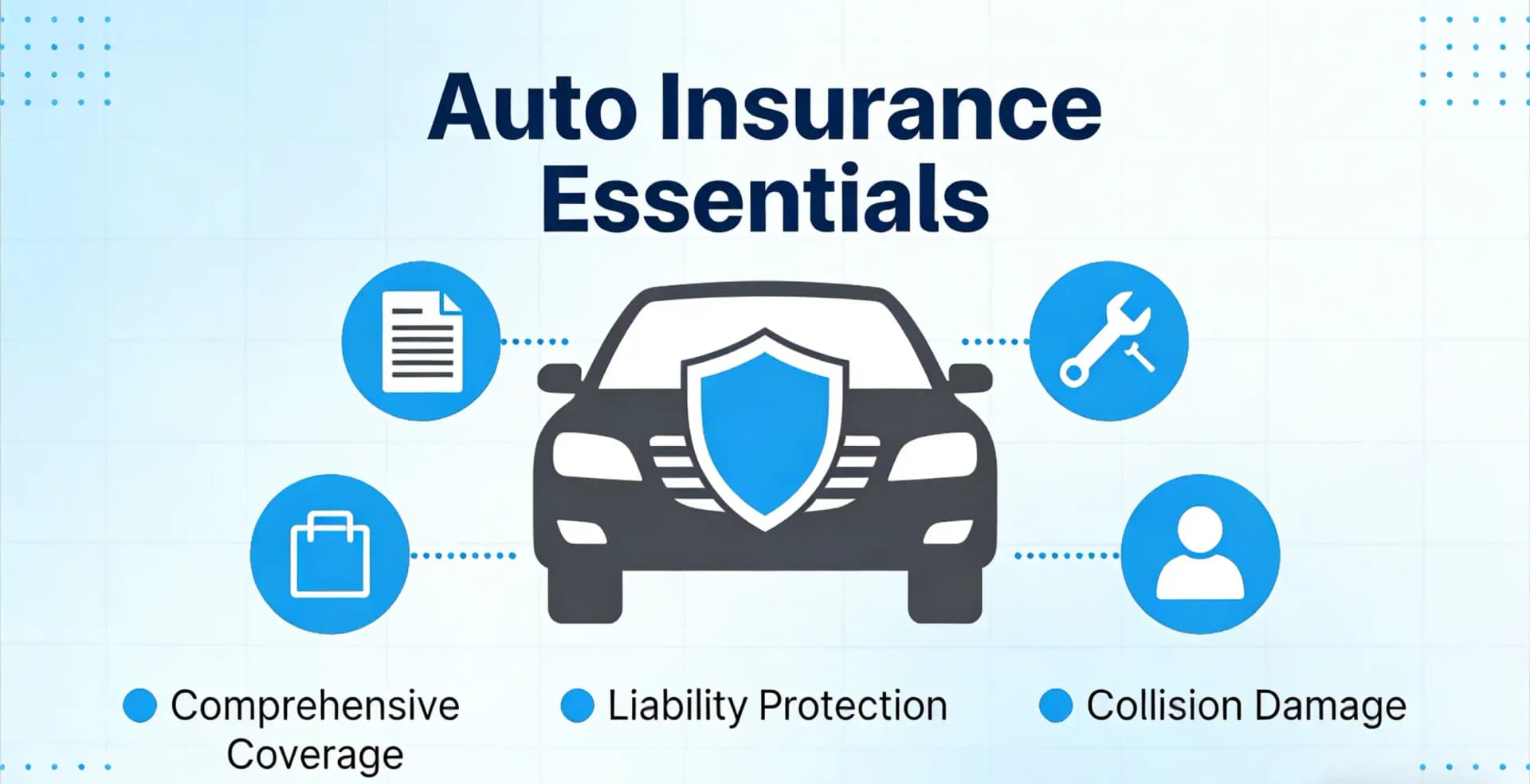
Auto insurance can help address injuries, property damage and damage to a vehicle arising from driving. State laws, lender requirements and policy terms differ, so compare more than the lowest premium.
1. Two Main Parts of Auto Insurance
Liability coverage addresses losses you are legally responsible for causing others. Physical damage coverage addresses covered damage to your own vehicle. Each coverage has its own limits, deductibles and exclusions.
2. Bodily Injury and Property Damage Liability
If you are legally responsible for an accident, bodily injury liability may pay others' medical costs, lost wages and related damages. Property damage liability may pay for damage to another vehicle, fence or other property. They generally do not repair your own car.
3. Medical Payments and PIP
Medical Payments or Personal Injury Protection (PIP) may pay some medical expenses for you and passengers. In some states PIP may also cover lost wages or other statutory benefits. Requirements and benefits depend on state law and the policy.
4. Why Consider UM/UIM?
Uninsured or underinsured motorist coverage may protect insured people and passengers when a responsible driver has no insurance, insufficient limits or a qualifying hit-and-run occurs. Whether both bodily injury and vehicle damage are covered depends on state law and the contract.
5. Collision and Comprehensive
Collision generally addresses damage from colliding with a vehicle or object or overturning. Comprehensive generally addresses theft, fire, hail, flood, falling branches, vandalism and animal collisions. A lender or leasing company may require both.

6. Deductibles and Total-Loss Value
A deductible is the portion of a covered vehicle loss you pay. A total-loss settlement generally reflects the vehicle's actual cash value at the time of loss, subject to the contract and lender interests; it is not necessarily the original purchase price.
7. Optional Coverage and Restrictions
Rental reimbursement, roadside assistance, loan or lease gap coverage, custom equipment and glass coverage may require separate additions. Delivery, rideshare, undisclosed drivers, unlicensed driving, intentional acts or racing may be restricted or excluded.
8. Why Do Premiums Differ?
State, location, age, driving record, vehicle, annual mileage, use, limits, deductible and available discounts affect price. A state minimum may be insufficient for a serious accident.
9. What to Do After an Accident
Prioritize safety and call police or seek medical care as needed. Document vehicles, people, witnesses and the scene; notify the insurer promptly and keep towing, repair and rental records. Do not promise responsibility before the facts are clear, and cooperate with the investigation.
10. How to Compare
Compare the same liability and UM/UIM limits, deductibles and optional coverages. Check listed drivers, vehicle use, exclusions and claims service. Review limits as assets, income and driving needs change.
This is general education, not legal or individual insurance advice. Coverage, liability, deductibles and payment depend on state law, the issued policy and endorsements.
PUT YOUR KNOWLEDGE INTO PRACTICE
Your next step
Discuss your next step. The consultation form will identify this article; you can edit or remove that context.
Discuss my coverage needs →