
Pet Insurance Basics for Dog and Cat Owners


Pet health insurance is a practical way for pet owners to prepare for unexpected veterinary expenses. It can help cover eligible costs related to accidents, illnesses, surgeries, diagnostic tests, medications, and other medical treatments, depending on the policy.
1. What is Pet Health Insurance?
Pet health insurance is insurance coverage designed to help pet owners manage veterinary expenses when a dog or cat becomes sick or injured.
In many families, pets are not just animals — they are part of the household. When a pet faces an emergency, illness, or long-term medical condition, veterinary bills can create financial pressure.
Pet health insurance helps reduce that pressure by reimbursing eligible medical costs according to the policy terms.
2. What does Pet Health Insurance cover?
Pet insurance plans vary by company and policy, but many plans may help cover accident and illness-related veterinary expenses.
Accident Coverage
Accident coverage may help pay for eligible treatment if your pet is injured unexpectedly.
Common examples may include:
- Broken bones
- Bite wounds
- Swallowing foreign objects
- Poisoning
- Cuts, burns, or other injuries
- Emergency veterinary care
Illness Coverage
Illness coverage may help pay for eligible treatment when your pet develops a medical condition.
Common examples may include:
- Digestive problems
- Skin conditions
- Ear infections
- Urinary issues
- Diabetes
- Cancer
- Chronic illnesses
Diagnostic Tests and Treatments
Depending on the policy, pet insurance may also help cover:
- Bloodwork
- X-rays
- Ultrasound
- MRI or advanced imaging
- Surgery
- Hospitalization
- Prescription medications
- Specialist visits

3. Why do pet owners need insurance?
Pet insurance is important because veterinary care can become expensive, especially when an unexpected accident or illness happens.
Protection against unexpected vet bills
A routine checkup may be manageable, but emergency treatment, surgery, or long-term illness can cost hundreds or even thousands of dollars.
Pet insurance helps pet owners prepare for these unexpected expenses.
More flexibility in care decisions
When a pet becomes sick or injured, families often want to make decisions based on the pet’s medical needs, not only on cost.
Having coverage may give pet owners more options when discussing treatment with a veterinarian.
Peace of mind for the family
Pet insurance can help families feel more prepared. Instead of worrying only about the financial impact, owners can focus more on getting proper care for their pets.
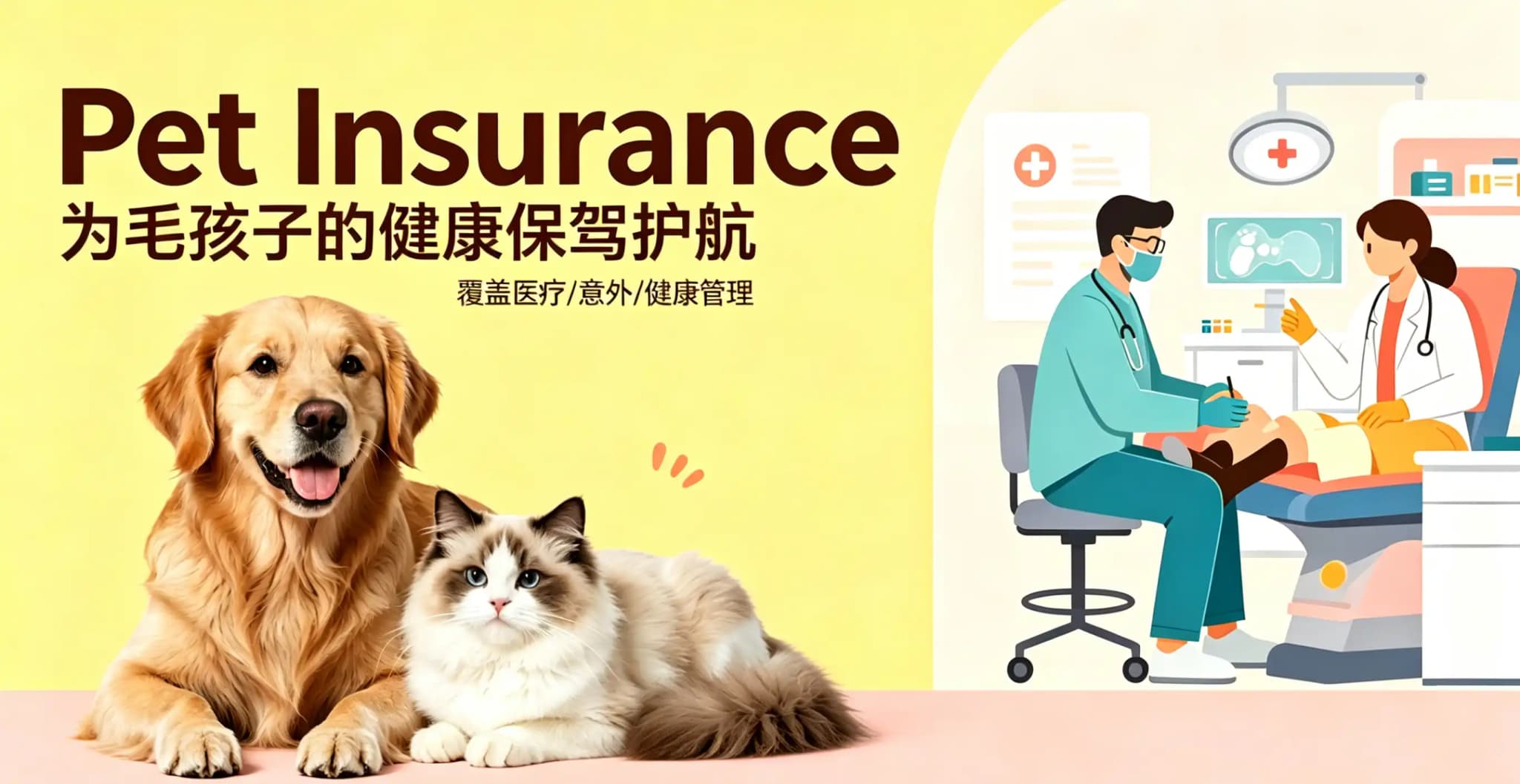
4. Common types of Pet Health Insurance
Accident-only plans
Accident-only plans usually cover injuries caused by sudden accidents, such as swallowing an object, being hit by a car, or suffering a broken bone.
These plans may have lower premiums, but they usually do not cover illnesses.
Accident and illness plans
Accident and illness plans are more comprehensive. They may cover both unexpected injuries and medical conditions such as infections, digestive problems, allergies, cancer, or chronic disease.
This is one of the most common types of pet insurance.
Wellness or preventive care add-ons
Some companies offer wellness or preventive care options. These may help with routine services such as:
- Annual exams
- Vaccinations
- Flea and tick prevention
- Dental cleaning
- Routine screenings
Wellness benefits are usually different from accident and illness coverage. Pet owners should review whether these add-ons are worth the additional cost.
5. Key things to know before choosing a plan
Pre-existing conditions
Most pet insurance plans do not cover medical conditions that existed before the policy started.
If a pet already had symptoms, diagnosis, or treatment before enrollment, that condition may be excluded from coverage.
Waiting periods
Pet insurance usually has waiting periods. This means certain coverage may not begin immediately after enrollment.
There may be separate waiting periods for accidents, illnesses, orthopedic conditions, or other specific issues.
Deductible
The deductible is the amount the pet owner pays before insurance begins reimbursing eligible expenses.
A higher deductible may lower the monthly premium, while a lower deductible may increase the premium.
Reimbursement percentage
Many plans reimburse a percentage of eligible expenses, such as 70%, 80%, or 90%, after the deductible is met.
The higher the reimbursement percentage, the more the plan may pay for eligible claims, but the premium may also be higher.
Annual limit
Some plans have an annual reimbursement limit, while others may offer higher limits or unlimited annual benefits.
Pet owners should choose a limit that fits their budget and risk tolerance.
6. How does Pet Health Insurance work?
Visit a licensed veterinarian
When your pet needs care, you can usually visit a licensed veterinarian, emergency clinic, or specialist, depending on the policy.
Pay the vet bill first
Most pet insurance works on a reimbursement model. This means the pet owner usually pays the vet bill first.
Submit a claim
After the visit, you submit the invoice and required medical records to the insurance company.
Receive reimbursement
If the claim is approved, the insurance company reimburses eligible expenses based on the policy terms.
The actual reimbursement depends on:
- Deductible
- Reimbursement percentage
- Annual limit
- Covered services
- Exclusions
- Waiting periods
7. Do not choose based only on price
Monthly premium is important, but it should not be the only factor.
Before choosing a plan, pet owners should compare:
- What is covered
- What is excluded
- Deductible amount
- Reimbursement percentage
- Annual benefit limit
- Waiting periods
- Coverage for exam fees
- Coverage for dental illness
- Coverage for hereditary or breed-specific conditions
- Claims process
- Future premium changes
A cheaper plan may have more limitations. A more comprehensive plan may provide broader protection but may cost more.
The right plan depends on the pet’s age, breed, health history, location, and the family’s budget.
8. Why it matters
Pet health insurance provides:
- Financial protection against unexpected veterinary costs
- Support for accident and illness treatment
- More flexibility when making care decisions
- Peace of mind for pet owners
- Better preparation for long-term pet care
Pet insurance is not just about saving money. It is about planning ahead and helping families care for their pets when unexpected medical needs arise.
Preparing today can help protect both your pet and your family budget tomorrow.
Click here for registration.
Learn more
Explore related topics: